Dr. Fuat Büyüklü

Meniere’s Disease

Address of Trust in Modern ENT Services

Prof. Dr. Fuat Büyüklü

What is Meniere's Disease?

What is Meniere’s Disease?
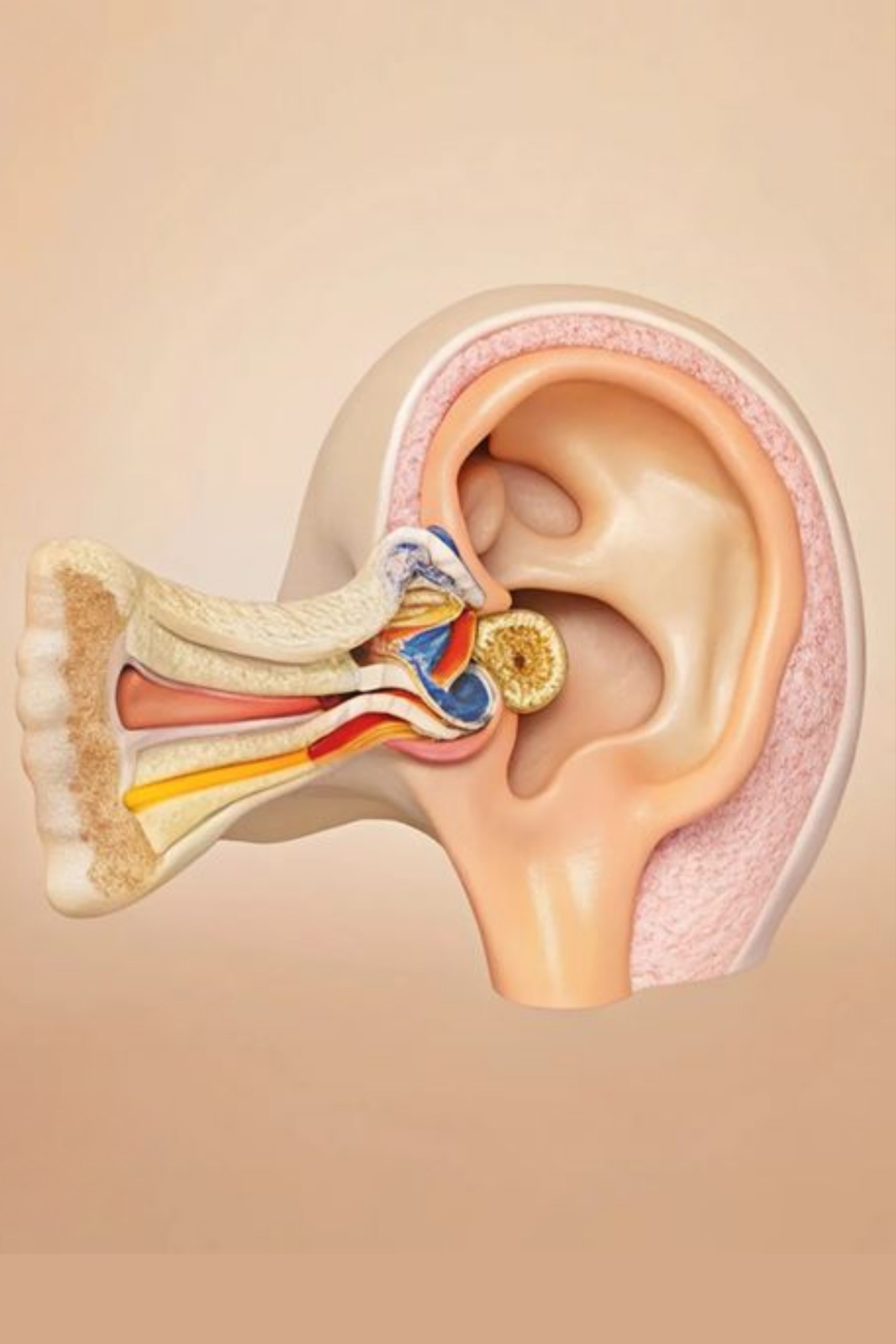
Meniere’s disease is a chronic inner ear disease that occurs in episodes, caused by an increase in the pressure of the endolymph fluid in the inner ear. The disease; It is characterized by dizziness (vertigo), hearing loss, ringing in the ears (tinnitus) and a feeling of fullness in the ear.
Meniere’s disease often begins in one ear. However, it can affect both ears over time. The frequency and severity of attacks may vary from person to person.

22+

With You With Over Years of Experience

Professional and Safe Approach in ENT Treatment

Frequently Asked Questions About Meniere's Disease

The most common symptoms of Meniere’s disease are:
1- Vertigo (Dizziness)
• Occurs in attacks
• Can last from minutes to several hours
• Can cause severe loss of balance and a feeling of falling
• Nausea and vomiting may accompany it
2- Hearing Loss
• Usually starts in low-frequency sounds
• May be progressive over time
• Becomes more pronounced during attacks
3- Tinnitus (Ringing in the Ears)
• Can be felt as a humming, buzzing, or ringing sound
• May be constant or increase with attacks
4- Feeling of Fullness in the Ear
• Feeling of pressure or blockage
• May increase before an attack

The exact cause of Meniere’s disease is not fully known. However, it is thought that the disruption of the fluid balance in the inner ear plays a key role in the disease.
Possible risk factors include:
• Autoimmune diseases
• Genetic predisposition
• Viral infections
• Circulatory disorders
• Intense stress and lifestyle factors

The diagnosis is made by a detailed evaluation by an otolaryngologist.
Methods that can be used:
• Audiometry (hearing tests)
• Balance tests (VNG, caloric tests)
• Magnetic resonance imaging (MRI)
These tests are important to exclude other diseases with similar symptoms.

Although there is no definitive cure for Meniere’s disease, the aim is to reduce the frequency and severity of attacks and to improve the quality of life.
1. Medication Treatment
• Betahistine: Often used to reduce vertigo attacks
• Vestibular suppressants: For the control of dizziness
• Diuretics: To reduce inner ear fluid pressure
• Antiemetics: To control nausea and vomiting
2. Lifestyle Changes
• Restriction of salt intake
• Reduction of caffeine and alcohol
• Regular sleep habits
• Controlling stress
• Adequate fluid intake
3. Vestibular Rehabilitation
Vestibular rehabilitation exercises can help the balance system adapt in patients with persistent balance problems.
4. Surgical and Interventional Treatments
Advanced treatment options can also be evaluated in patients with severe attacks despite medication and lifestyle adjustments:
• Endolymphatic sac surgery
• Intratympanic drug applications
• Vestibular nerve cut (in selected cases)
The decision for surgical treatment must be made after a detailed evaluation.

Have You Watched My YouTube Videos?

In addition to informing my valued clients, I create and share informative and entertaining content on my YouTube channel, where I answer frequently asked questions. You can check out my YouTube channel to watch my videos and support me. Click the button below to access my channel.

Professional and Safe Approach in ENT Treatment

Prof. Dr. Fuat Büyüklü

My certifications are an official indicator of our service quality and professional competence. With our valid documents and certifications in the field, we provide our healthcare services within the framework of trust and quality standards.

Reliable and Friendly Service in ENT Health

+90 501 188 21 08

Prof. Dr. Fuat Büyüklü

Doctor's Opinion and When Should I Make an Appointment?

Meniere’s disease is a disease that can be controlled with the correct diagnosis and regular follow-up. Treatment should be planned specifically for the patient and requires long-term follow-up.
When Should I Make an Appointment?
• If you have recurrent dizziness attacks
• If hearing loss and tinnitus are accompanying
• If you are experiencing balance problems that affect your daily life
It is recommended that you consult an ear, nose, and throat specialist for a detailed evaluation.

22+

With More Than Years of Experience